

Terpinolene Compound: A Cannabis Aroma Guide
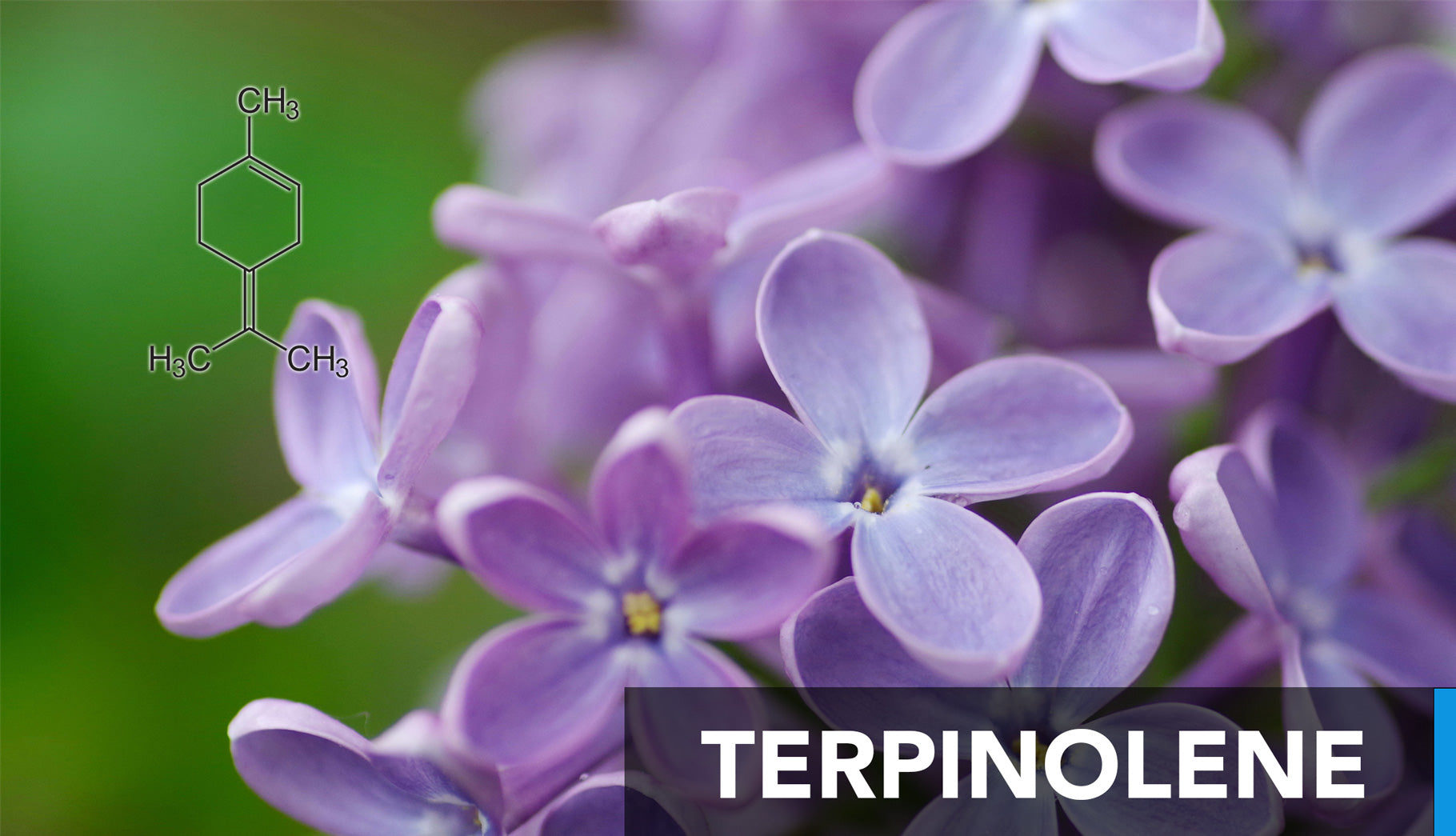
Terpinolene compound
Terpinolene is one of the compounds found in cannabis. Known for its aroma profile, this compound appears not only in cannabis but also in essential oils, spices, and trees. While it doesn't usually dominate compound profiles, terpinolene contributes a subtle character to several strains.
Here’s a closer look at terpinolene and how it appears across cannabis, product formulations, and nature.
What Is Terpinolene?
Terpinolene is a monoterpene found in a wide range of plants, including conifers, rosemary, and lilacs. In cannabis, it adds a plant-based scent often described as pine, herbal, or plant-like. This aroma profile makes it notable in the compound spectrum, even when present in small amounts.
In cannabis, terpinolene is often found in sativa-dominant cultivars and contributes to each strain’s aroma.
Terpinolene in Cannabis: Strains and Profiles
While not as commonly dominant as myrcene or limonene, terpinolene appears in several cannabis strains. These include:
-
Jack Herer
-
Pineapple Express
-
Ghost Train Haze
-
Golden Goat
Aroma Notes
Terpinolene’s scent can be difficult to pin down. It's been described as:
-
Pine notes
-
Herbal or plant-like notes
This compound often complements more dominant aromas in a strain rather than overwhelming them. Its profile gives certain strains an added aroma element.
How Terpinolene Behaves in Nature
Terpinolene isn’t exclusive to cannabis. It appears in numerous plants and plays a role in natural defense systems. Found in:
-
Tea tree oil
-
Nutmeg
-
Sage
-
Cumin
-
Lilacs
It is often a part of a plant’s natural pest deterrent strategy and contributes to plant scent profiles.
Uses Beyond Cannabis
1. Essential Oils
Terpinolene is a familiar presence in essential oils due to its scent. It’s featured in many blends intended for room sprays, diffusers, and body oils.
2. Cosmetics and Skincare
In cosmetics, terpinolene is used for aroma and formulation purposes. It’s found in:
-
Lotions
-
Shampoos and conditioners
-
Perfumes
-
Facial serums
Its inclusion may support product shelf stability and aroma.
3. Food Applications
Terpinolene is generally recognized as safe (GRAS) by the U.S. FDA when used in food products in small amounts.
4. Natural Insect Repellent
Due to its scent, terpinolene appears in some natural pest control solutions.
Is Terpinolene THC?
No. Terpinolene is not THC. Research is ongoing into how compounds like terpinolene relate to overall cannabis formulation, but terpinolene does not create THC-like effects on its own.
Terpinolene in Cultivation and Extraction
From a grower’s perspective, strains with terpinolene often require care during cultivation and extraction to preserve this compound. Its volatility makes it prone to evaporation during curing or processing, so careful temperature and storage management are key.
In extraction, methods like cold-pressed rosin or low-temperature hydrocarbon extraction may help preserve terpinolene content. These techniques can highlight terpinolene's presence in cannabis extracts.
Interesting Facts About Terpinolene
-
Low Prevalence: Terpinolene is rarely the dominant compound in cannabis, showing up in less than 10% of strains as the primary compound.
-
Supporting Compound: It’s often used to round out aroma profiles rather than define them.
-
Found in Old Growth Trees: Pine trees and conifers often contain terpinolene as part of their natural defense mechanisms.
-
Volatile and Delicate: It has a relatively low boiling point, making it more likely to evaporate during high-temperature processes.
FAQs
Jack Herer, Pineapple Express, and Ghost Train Haze are three strains where terpinolene may play an aroma role.
When used in regulated food or fragrance applications, terpinolene is generally considered safe by regulatory bodies. As with any compound, overexposure may cause irritation in sensitive individuals.
Yes. Some manufacturers isolate terpinolene for food formulation, fragrance development, or to reintroduce into cannabis extracts for aroma.
Yes, though it’s not always the dominant note. Its pine and plant-like qualities can stand out in compound profiles.
STIIIZY complies with all applicable state laws regarding the sale and marketing of cannabis products. This content is intended for adults 21+ in jurisdictions where cannabis use is legal under state law. By engaging with this material, you acknowledge that you are of legal age in your jurisdiction.
This content is for informational and educational purposes only. It is not intended to diagnose, treat, cure, or prevent any disease or medical condition. STIIIZY makes no health claims about cannabis products. Consult a licensed healthcare professional before using cannabis, especially if you are pregnant, nursing, or have a medical condition.
Cannabis products may affect individuals differently. Consume responsibly and avoid operating vehicles or machinery after use. STIIIZY disclaims all liability for any adverse effects, legal consequences, or misuse resulting from the use of our products or reliance on this content.
Cannabis laws vary by state and locality. This content does not constitute legal advice. Users are responsible for understanding and complying with their local regulations.
Statements about product effects or benefits are based on general industry knowledge and user experiences. Individual results may vary. STIIIZY does not guarantee specific outcomes.
References to third-party studies, testimonials, or external resources are provided for context only. STIIIZY does not endorse or validate these materials unless explicitly stated.
The views and opinions expressed in this blog are those of the author and do not necessarily reflect the official policy or position of STIIIZY.


