

Humulene Compound: What It Is and How It Relates to Cannabis Aroma
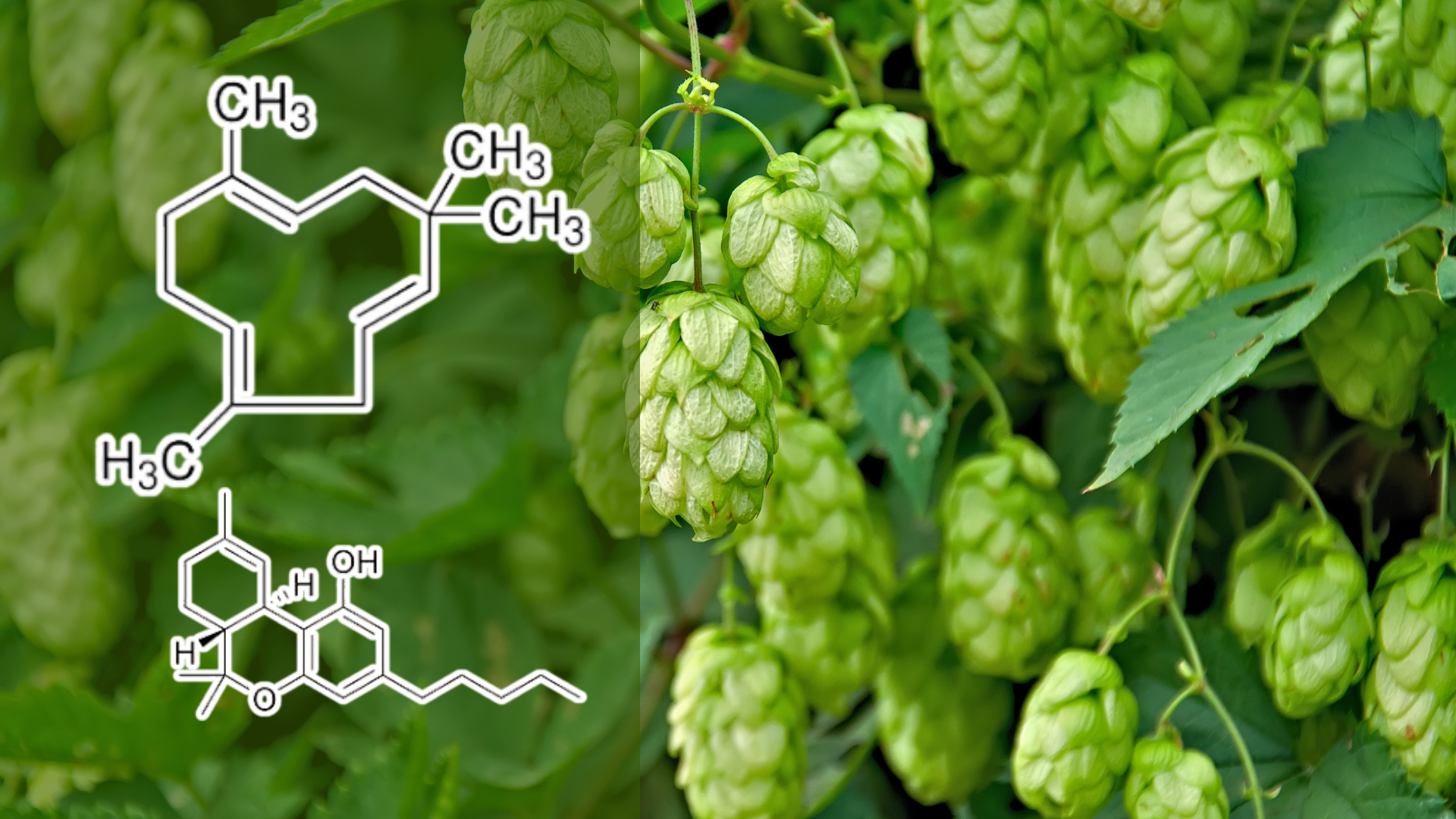
Cannabis includes more than THC and CBD. Behind many strain aroma profiles are naturally occurring compounds commonly discussed in cannabis education. One compound found in cannabis is humulene.
Also known as α-humulene or alpha-caryophyllene, this compound is associated with earthy, herbal, and spice notes. Humulene plays a role in the aroma identity of various strains, and it’s also found in hops, sage, and ginseng.
Here’s a closer look at humulene in cannabis.
What Are Aroma Compounds?
These naturally occurring compounds are produced by many plants. In cannabis, they are found in the same glands that produce cannabinoids and contribute to the scent and profile of each strain. Pine, citrus, clove, or lavender notes may be connected to these compounds.
In nature, these compounds help plants defend against pests and attract pollinators.
Humulene compound in hops
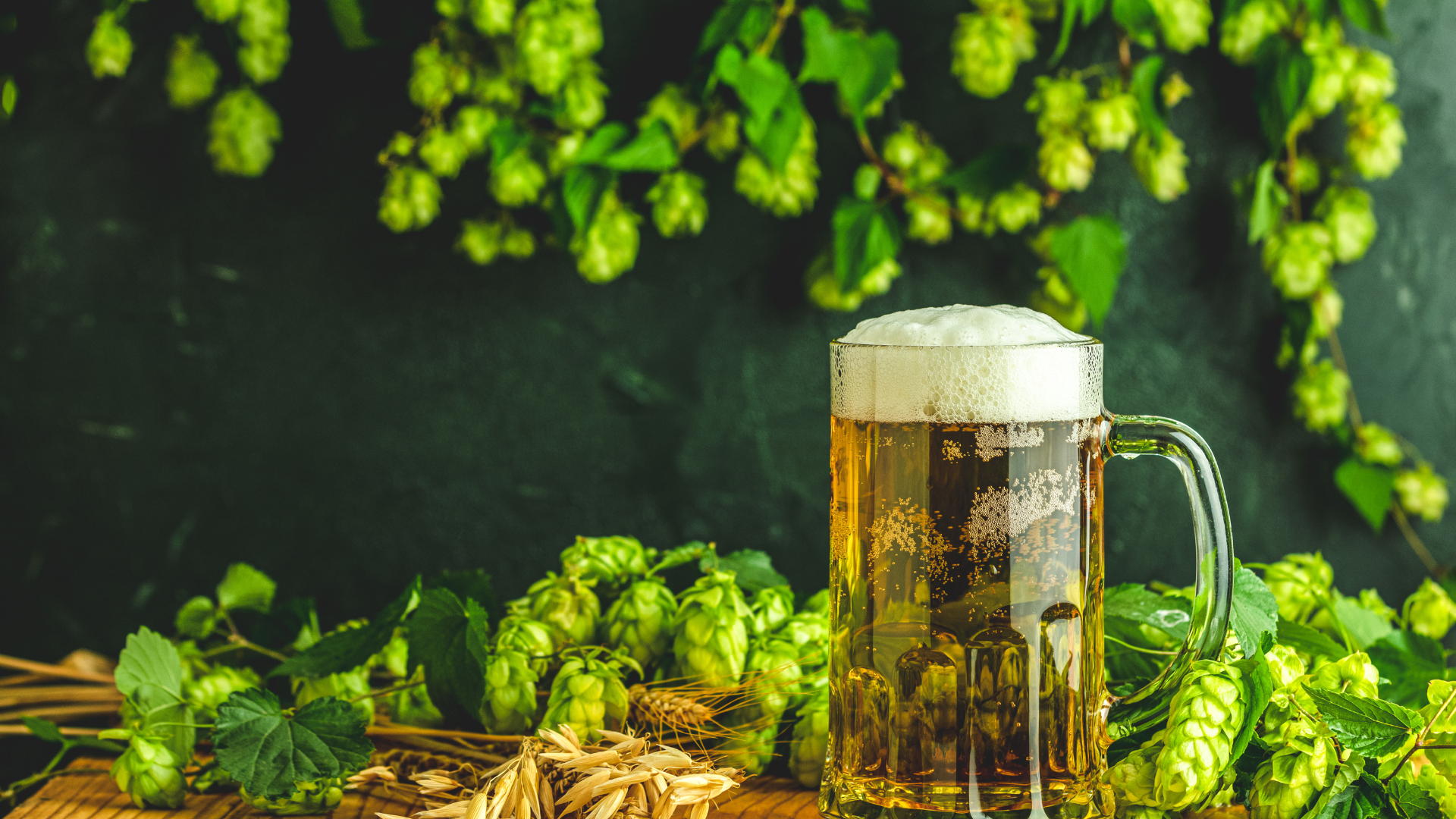
Humulene is a sesquiterpene, meaning it has three isoprene units, or 15 carbon atoms, making it more stable than lighter monoterpenes. It’s found in:
-
Hops (Humulus lupulus)
-
Sage
-
Black pepper
-
Basil
-
Ginseng
-
Cannabis
Humulene leans more rustic and herbal. Its profile is earthy, herbal, and occasionally pepper-forward, grounding the aroma of many cannabis cultivars.
Where Else Is Humulene Found?
Aside from cannabis, humulene is prevalent in:
-
Hops – This is where it gets its name.
-
Sage – Used in culinary and traditional applications, sage has humulene as a contributing compound.
-
Ginger Root Ginger also carries humulene as part of its compound mix.
-
Coriander and Black Pepper – Both spices contain humulene.
How Humulene Contributes to Cannabis
In cannabis, humulene helps shape a strain’s aroma profile. When present in higher amounts, it can add an earthy, herbal aroma that appears alongside other compounds like limonene or pinene.
Though every individual may interpret aromas differently, strains with humulene are often associated with earthy character.
Strains with Humulene Content
Here are a few cultivars commonly associated with this compound:
Sour Diesel
This sativa-dominant strain is known for its pungent scent that includes diesel, citrus, and earth notes. Humulene may contribute to its deeper aroma.
Girl Scout Cookies (GSC)
A hybrid strain known for earth notes. Humulene plays a part in that layered profile.
Headband
This strain combines OG Kush and Sour Diesel lineage. Its aroma often features diesel and citrus notes, anchored by humulene’s earthy spice.
White Widow
White Widow is a hybrid strain often cited for its humulene and myrcene content. It includes earthy aroma notes.
How Do Regional and Cultivation Factors Influence Humulene?
Cannabis compound expression is influenced by climate, soil composition, and cultivation practices, which can all affect compound levels, including humulene.
-
Warm, dry climates can affect humulene content in flower.
-
Living soil may affect compound expression.
-
Post-harvest techniques like proper drying and curing help preserve volatile compounds like humulene.
Growers aiming to bring out humulene often use low-stress training (LST), avoid overfeeding with synthetic nutrients, and prioritize compound preservation.
Chemistry and Aroma of Humulene
Humulene is a bicyclic sesquiterpene, meaning it features two ring structures. This molecular arrangement contributes to its stable, earthy aroma in essential oils and cannabis resin.
Its boiling point ranges between 198-210°C (388-410°F).
Community Trends: Why People Are Talking About Humulene
As cannabis education grows, there is more discussion around strains based on aroma and compound profile.
In this landscape, humulene stands out for several reasons:
-
It’s common in cannabis cultivars.
- It offers an earthy element alongside citrus-forward compound profiles.
Is Humulene Rare?
Not at all. While it may not dominate the compound profile of most strains, it frequently appears as a secondary or tertiary compound. That means it’s often present, just not always in the highest concentrations. Cultivars that emphasize earthy or diesel aromas may express it more prominently.
There’s more to cannabis than cannabinoid content. As compound awareness continues to rise, humulene is a notable compound in cultivation and on the dispensary shelf.
FAQs
No. Humulene is also found in hops, black pepper, ginseng, sage, and basil.
Yes. Essential oils from hops, sage, ginger, and other plants contain varying levels of humulene.
Environmental conditions, genetics, and post-harvest processing all affect compound levels, including humulene.


